
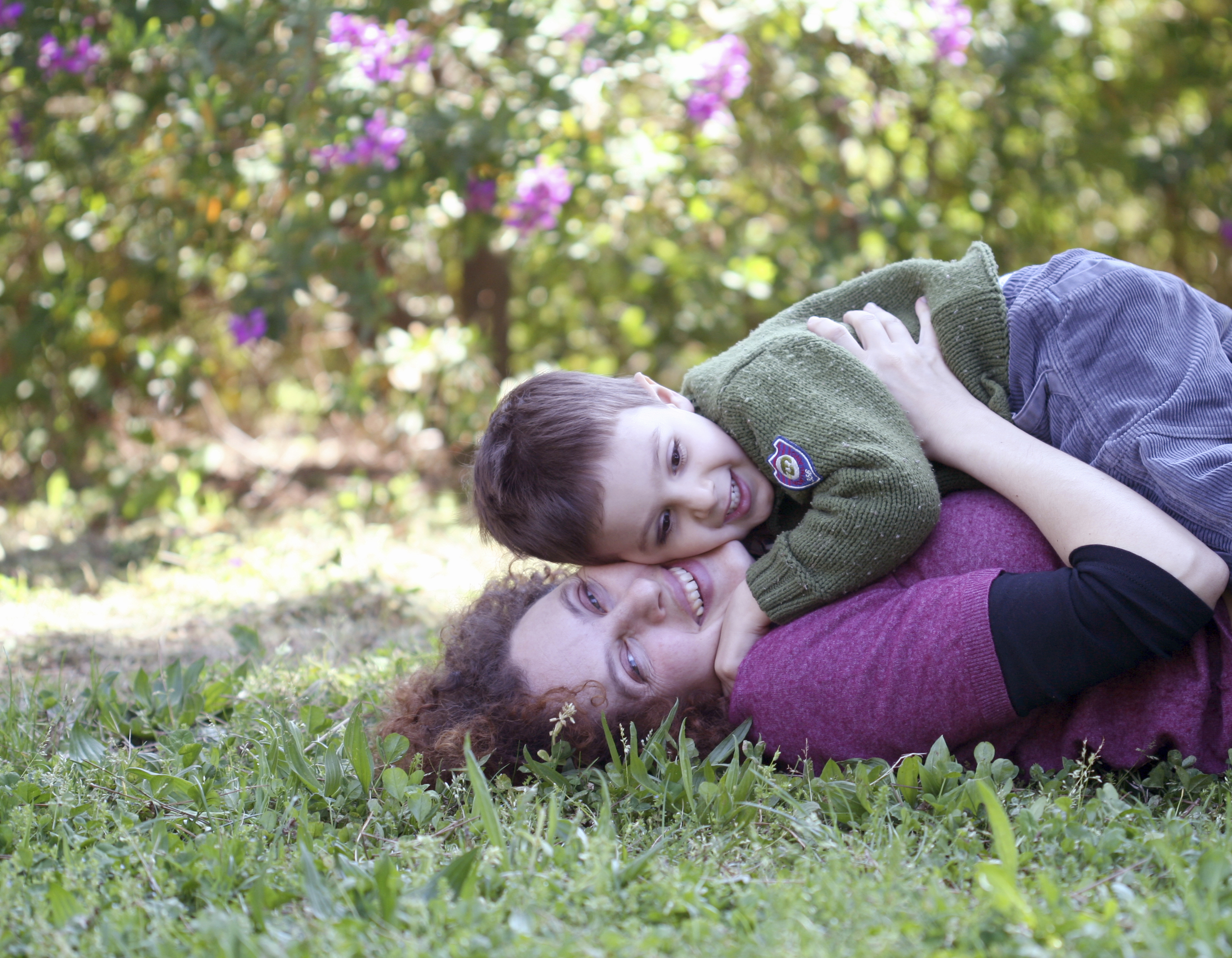
Play is important in every child’s development. It provides opportunities to learn social skills, motor skills, and even self control. Play improves cognition, it is how children learn to bond with others, and it helps them discover their talents and abilities. As a parent, you are your child’s first teacher (and playmate) and one of the best ways to teach your child is through play. Playing with your child also offers a chance to communicate and connect on a simple yet invaluable level.
Play comes in many forms, often there is no need for an outside apparatus or stimulation, but occasionally children need more. Sometimes just spending time enjoying each others company and making up silly games can be enough. Other times, particularly when playing with a child who has special needs, sensory input is critical. Sensory input also comes in many forms, from visual to auditory and tactile to vestibular (movement). And then there are those times when input needs are multi-sensory or even exploratory. Sensory input during play can offer many benefits for those children who are sensory seeking.
Therapy sessions regularly includ in play too, and quite often these situations maintain a sensory aspect. Both Occupational Therapists and Speech Language Pathologists frequently incorporate play into their therapy plans. OTs will include sensory input as well as cognitive and motor skill initiatives. Many SLPs use sensory stimulation, or tactile techniques, when working on oral motor development. They may also include texture or gustatory (taste) components when implementing feeding therapies. Additionally, play in therapy may consist of the use of bubbles, balls, and sometimes even noise or light.
Education and cognitive development typically start with play. Teachers and Early Childhood Development professionals use games, puzzles, crafts, art, and music (to name only a few) when working with young children. Here again, sensory input frequently becomes a vital aspect, especially when working with those who have special needs. Each of these activities offers a unique benefit. Arts and crafts can often provide numerous advantages. Children can gain the much needed sensory input while developing motor skills and increasing cognition. Not to mention, they can have fun while expressing themselves and connecting with others.
Bottom line, PLAY IS IMPORTANT! Play offers countless benefits to the early development of any child. Benefits vary and can range from developing gross or even fine motor skills to expanding their social abilities. Play does not need to be kept in a box, labeled,or associated with a toy. Although, there are numerous helpful items/products out there that can contribute to play, often times all that is needed is you and your child. The only requirement of play is to have fun, everything else just happens to come with it.



 Special Needs Essentials Blog