
Toys aren’t merely devices made to keep your busy little bee while you finish folding laundry. True, some do just that, but many toys are created as educational tools to teach your children and help them develop better physical, organizational, emotional and social skills. For example, introducing your child to puzzles early on is not only a great, essential way to ensure he or she get the hang of figuring out fun stuff now, but that they also succeed in the great puzzle that is life.
More benefits of playing with puzzles include the development of great hand-eye coordination, fine and gross motor skills, plus shape recognition and problem solving. Puzzles also help children learn about their place in this world and their surroundings while they also become socially confident creatures.
Puzzles also encourage little ones to set goals and achieve them, which then promotes the emergence of self esteem —and lot of it. And maybe, one day, they’ll also do their own laundry! Til then, let’s do some puzzles.
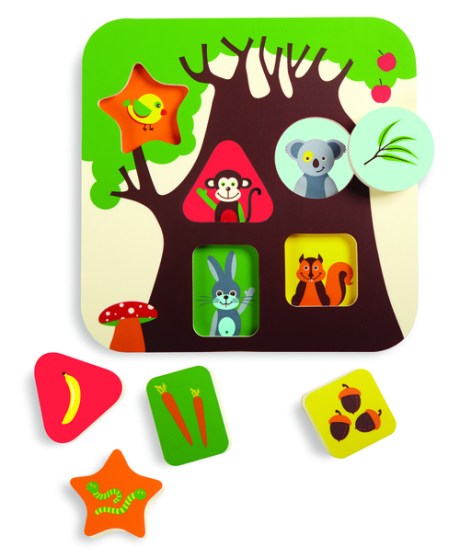
Great for building self-esteem, this puzzle is large, which is great for sweet little hands, and it’s foam, which makes it easy for wee fingers to grip. Encouraging hand-eye coordination and visual sensory development, it’s designed to really get into the brain and improve cognition, logic, and reasoning.
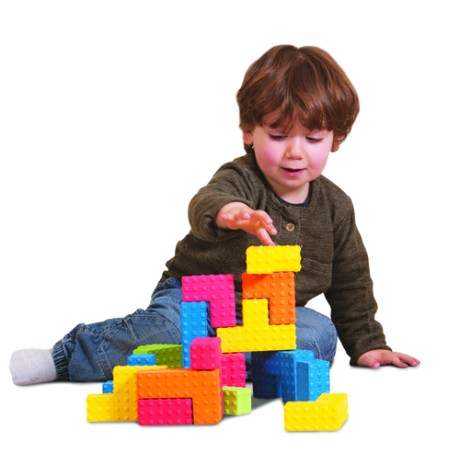
Nice and vibrantly colored, these puzzle blocks help develop fine and gross motor skills while improving hand-eye coordination. They’re textured, too, so as to provide tactile and visual sensory input. Stack, build, and assemble the foam pieces with friends and family to improve social skills.
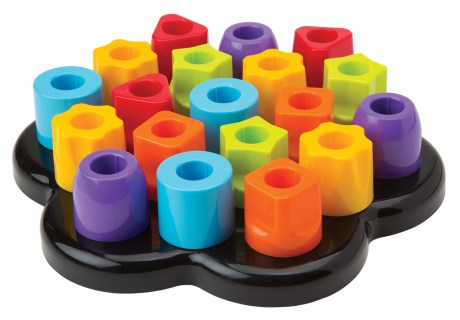
Again, here’s a puzzle that’s made to help your child develop motor skills and hand-eye coordination. This 20-piece set is designed for tots 12-months old and up to stack, sort, match, and build away with the chunky pegs and pegboard.
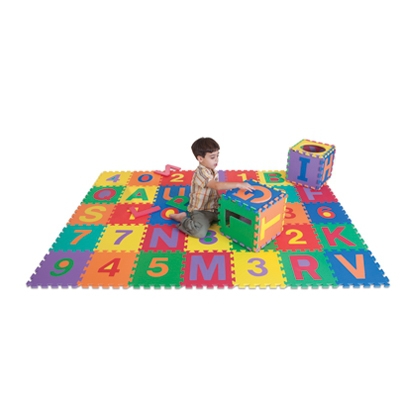
Now here’s a cool concept: use six-by-six foam alpha-numerical puzzle pieces to get your little darling’s logic, reasoning, and motor skills running AND build a fort! With 36 pieces to play with in total, it’ll be easy for your sweetie to get lost in a little world of numbers, letters, and learning. Creating a whimsical box full of fun, this colorful, soft, easy-to-clean floor mat has endless learning possibilities, not to mention it’s also a great insulator for cold floors. Once assembled, the mat is 72”x72” big and is perfect for designating a specific play area in the home.
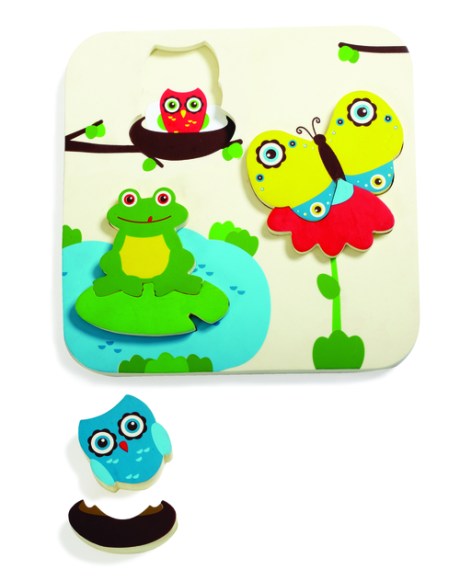
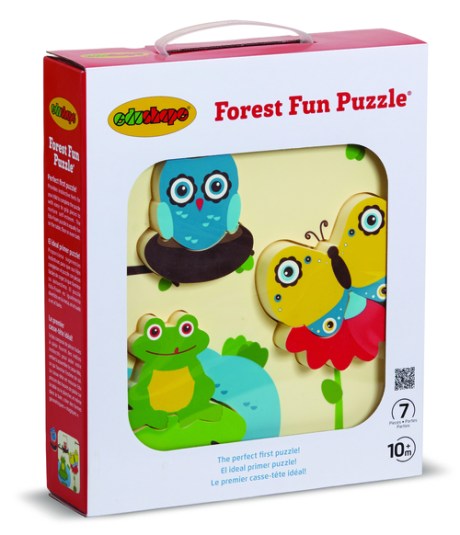
This large foam puzzle has 10 pieces that are easy to grip so they work wonderfully with little fingers. While building self-esteem, this puzzle also encourages hand-eye coordination and visual sensory development and improves motor skills, cognition, logic and reasoning. And when joined by friends and family, it can also do wonders for your child’s social skills. Did we mention it features all of your favorite forest creatures?
What will be your kid’s first or next adventure in the wonderful world of puzzles? Leave us a comment or drop by our Facebook page to tell us all about it!



 Special Needs Essentials Blog