
Change is difficult for children on the autism spectrum, and starting school is no exception. Begin to introduce your autistic child to the idea of school weeks before the first day. Here is how.
Any introduction to the new routine will make your child’s life (and yours) easier when it comes time to drop them off at school. You can do this by introducing in advance his or her uniform, the route to and from school, the book bag, lunch containers, and any other special tools they’ll need for the classroom or to get through the day.
You can also prepare by getting your child used to the contents of his or her schoolbag. Here are five items you may want to pack in their book bag that will help them in their independence, communication, and feelings of comfort throughout the school day.
1. A Chewy Tube

Chewy Tubes are absolute essentials for any child having chewing or biting issues. They can be put around their neck or on top of a pen for easy access.

This lunchtime essential can help your child drink easily and neatly while you’re not there to help.

This portable version of the famous Time Timer will help your child manage his or her time in the classroom thanks to visual cues.
4. Pencil Grips

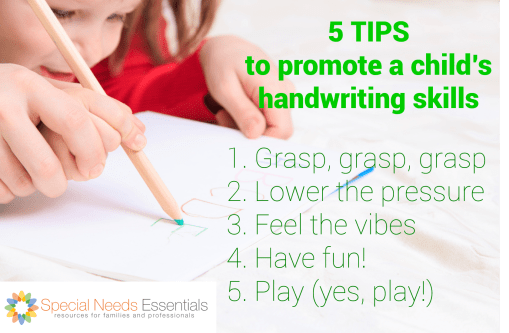
It’s going to be hard to go back to handwriting after a whole summer of fun! A good pencil grip will make the difference. Many different types exist. There must be one suited to your child’s needs.

This tiny sensory toy can easily fit in your child’s bag and serve as a stress reliever during class.
Don’t forget: Have your child practice eating from the school box and trying on the uniform, and do your best to instill the new routine as early as possible. Familiarity with all that the new routine will entail is essential in school success.
Label each item in the book bag so your child feels better organized and at ease throughout the day. And use a laminated tag on the book bag that lists every item he or she needs to pack that day. This will help them to become more independent and comfortable with dealing with the unpacking and packing up of the bag while in the classroom, away from your watchful eye.
As for yourself, the parent: try to relax. Know that you’ve prepared your child for success. Use the time while they’re at school to meditate and focus on yourself. Stay centered so that up on their return, you’re refreshed and ready to focus on your child’s needs once again.
Did you find this article useful? What else would you put in your autistic child’s school bag?










 Special Needs Essentials Blog