Archives for posts with tag: Early development

These favorite OT tools are fun and affordable! Plus, their endless use possibilities make them the perfect gift for kids of all ages and abilities.
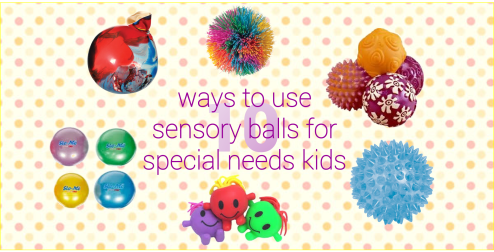
10 ways to use sensory balls

  1. Use them as stress balls3219_2

Squish and squeeze them to feel a unique hand massage. Some of them even have additional features such as spikes or strands that multiply sensory possibilities.

> Promotes: Fine motor skills, Tactile input, Stress relief


  1. Play “Basketball”slomo balls

Toss them into the air to reach a target. Make it a competition and count points if you wish or let your child go their own path!

> Promotes: Gross motor skills, Concentration, Hand eye coordination


  1. Carnival Game

__1004527_previewBuild a simple board using cardboard or plastic cups, making openings of various sizes and scores. Ask your child to reach certain openings and make them count their own scores for an added math practice!

> Promotes: Hand eye coordination, Logic skills


  1. Group Playendushape balls 2

Throw a ball into the air and have playmates catch it for hours of fun.

> Promotes: Socialization, Gross motor skills, Hand eye coordination


  1. Group Play, Upside down

Same as above except you all lie down and pass it along with your feet!

> Promotes: Socialization, Balance


  1. Paint!

Use sensory balls as brushes to create an original painting activity with your child.56437_2

> Promotes: Fine motor skills, Creativity


  1. Decorate them

Give your child WASHABLE markers and ask them to decorate a ball as they wish, then wash it off and repeat indefinitely.

> Promotes: Fine motor skills, Creativity


  1. Use them as massagers

oddballsRoll sensory balls under your feet or on your back for a calming sensation!

> Promotes: Tactile input, Stress relief


  1. Play the equilibrist

Simply try to let a ball hold on your head, back or knee as long as possible or do this while walking along a path.

> Promotes: Balance


  1. Cup Crash

7809_1Build a pyramid with plastic cups and try to crash as many as possible at once!

> Promotes: Gross motor skills, Stress relief
 

iStock_000001563347_Large

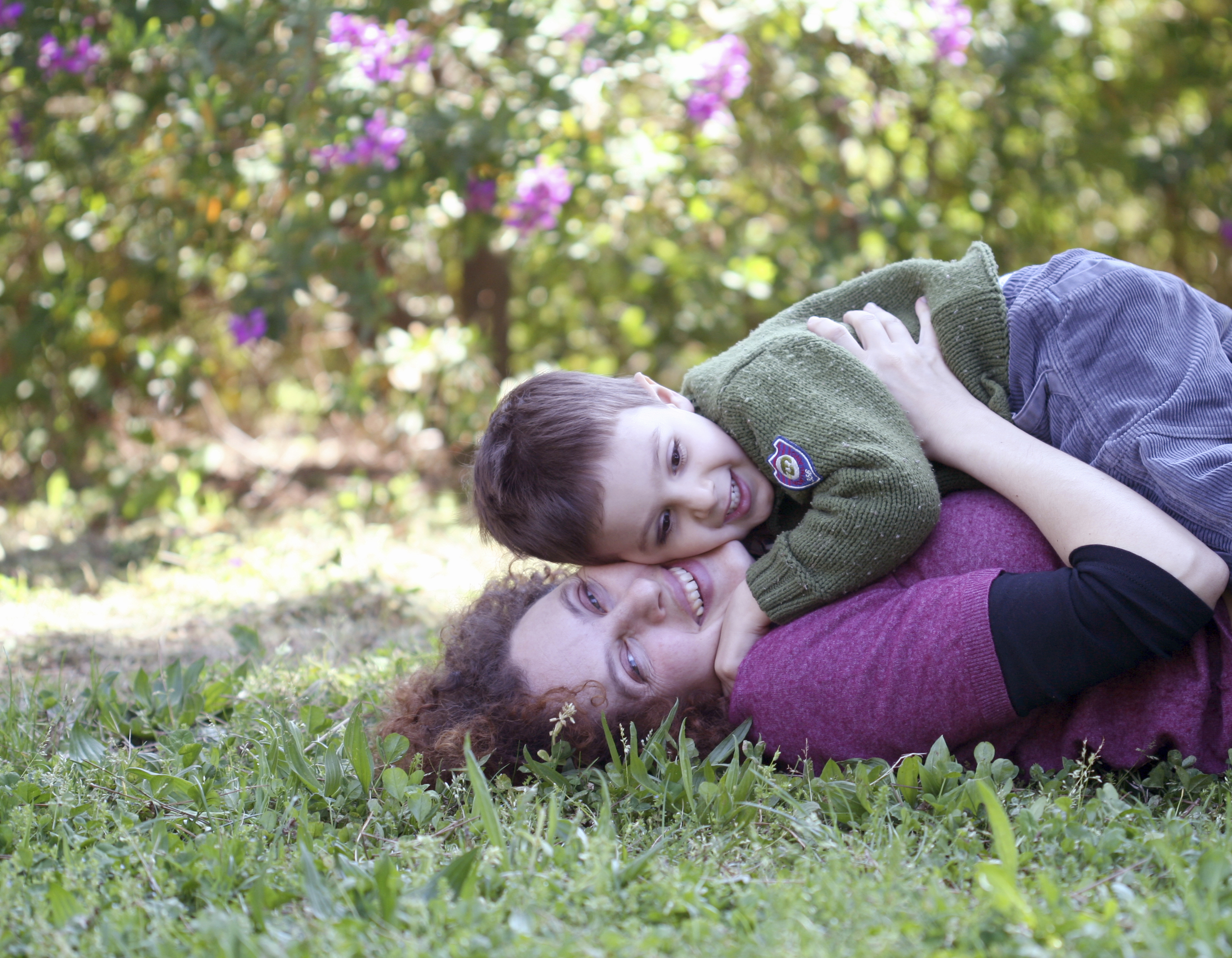
Play is important in every child’s development. It provides opportunities to learn social skills, motor skills, and even self control. Play improves cognition, it is how children learn to bond with others, and it helps them discover their talents and abilities. As a parent, you are your child’s first teacher (and playmate) and one of the best ways to teach your child is through play. Playing with your child also offers a chance to communicate and connect on a simple yet invaluable level.

Play comes in many forms, often there is no need for an outside apparatus or stimulation, but occasionally children need more. Sometimes just spending time enjoying each others company and making up silly games can be enough. Other times, particularly when playing with a child who has special needs, sensory input is critical. Sensory input also comes in many forms, from visual to auditory and tactile to vestibular (movement). And then there are those times when input needs are multi-sensory or even exploratory. Sensory input during play can offer many benefits for those children who are sensory seeking.

Therapy sessions regularly includ in play too, and quite often these situations maintain a sensory aspect. Both Occupational Therapists and Speech Language Pathologists frequently incorporate play into their therapy plans. OTs will include sensory input as well as cognitive and motor skill initiatives. Many SLPs use sensory stimulation, or tactile techniques, when working on oral motor development. They may also include texture or gustatory (taste) components when implementing feeding therapies. Additionally, play in therapy may consist of the use of bubbles, balls, and sometimes even noise or light.

Education and cognitive development typically start with play. Teachers and Early Childhood Development professionals use games, puzzles, crafts, art, and music (to name only a few) when working with young children. Here again, sensory input frequently becomes a vital aspect, especially when working with those who have special needs. Each of these activities offers a unique benefit. Arts and crafts can often provide numerous advantages. Children can gain the much needed sensory input while developing motor skills and increasing cognition. Not to mention, they can have fun while expressing themselves and connecting with others.

Bottom line, PLAY IS IMPORTANT! Play offers countless benefits to the early development of any child. Benefits vary and can range from developing gross or even fine motor skills to expanding their social abilities. Play does not need to be kept in a box, labeled,or associated with a toy. Although, there are numerous helpful items/products out there that can contribute to play, often times all that is needed is you and your child. The only requirement of play is to have fun, everything else just happens to come with it.