
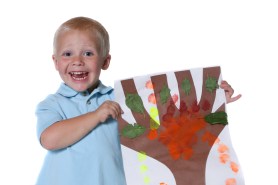
 After-school activities are good for your child with special needs. They open your child to the outside world without the difficulties you may experience at school. They give everyone a break from school and medical routines with no requirement to achieve any set goal, and they are fun! Children with special needs may even learn new human values and surpass their own limits. Regardless, they will still have a good time and that is what really matters. There are a lot of adapted activities to choose from.
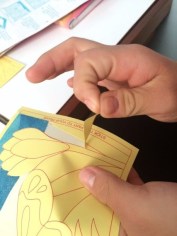
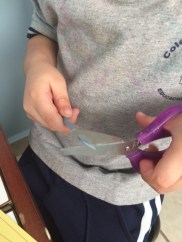
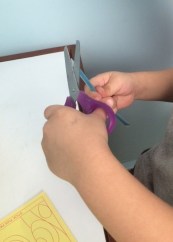
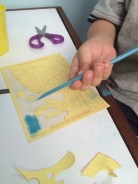
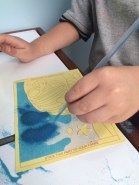
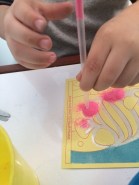
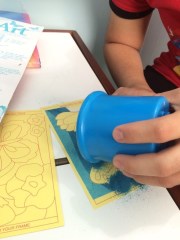
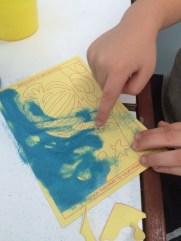
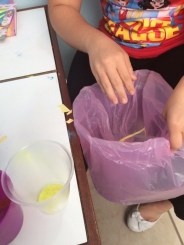
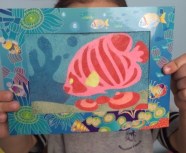
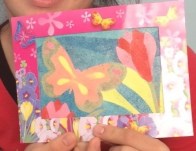
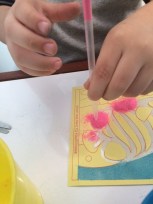 Arts in general are a great choice because they are taught in a rather calm environment, they let everyone express their creativity with no shame, and they even offer a valuable sensory input. The spectrum of these activities is very large: from graphic arts, to music, to cooking classes, there is surely something for every child! Participants are asked to follow some rules but it is OK to get different results, so your child cannot go wrong. In the same spirit, youth organizations (such as scouts movements, religious groups or other types of organizations) let children grow and find their own personality while gaining independence.
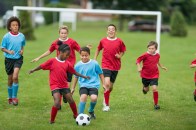
 Some sports may also be adapted to your child. Swimming, dancing, gymnastics and yoga are particularly suited as they offer rather soft physical exercise and they let the participants reach their own limits. Some team sports may be adapted as well but you would have to speak with the coach and see if your child can truly be integrated in the team with no risk to be harmed. If that is possible, those sports will teach your child a valuable sense of teamwork.
 In any case, don’t forget to talk to your child’s health provider before you sign your child up to any of those activities. Also, think about contacting non-profit organizations specialized in integrating your child in after-school activities. The only difficulty will be to make your choice!
What about you? Which activity do you like the best for your child with special needs?




 Special Needs Essentials Blog